
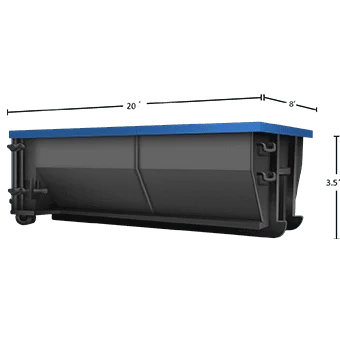
Describe the debris before choosing a size
Start with the materials and the task producing them. Bulky furniture can occupy space differently from dense building debris. Approximate the amount and explain whether materials will be separated. This gives the rental contact more useful information than a size label alone.
Ask about the offered container’s dimensions and loading arrangement. The outside footprint, door movement where applicable and working room affect where it can be used. A photograph of a size category is not proof of the exact equipment available.
Volume and allowable weight are different
A container can have unused space yet already hold a heavy load. Confirm material restrictions, the included load terms and how excess weight or excluded items are handled. Do not use visible spare capacity as permission to add any material.
Keep uncertain, hazardous or specialist waste out of an ordinary mixed-load assumption. Describe it separately during the enquiry. Acceptance depends on the proposed receiving arrangement; portable restroom sanitary waste is not something to transfer into a debris container.
Compare one collection with a continuing arrangement
A single container may suit a defined cleanout, while ongoing work may need a separately arranged exchange or continued hire. Ask how either option works, including the collection request, access and rental-period terms. Do not assume an exchange is included just because the project continues.
Send the address, dates, materials and receiving-space information through Get a Quote. Review the equipment and load proposal before booking. The main dumpster page explains Covington’s placement process; a smaller container does not by itself establish a permit exemption.